
Bathrooms in older London homes tend to go wrong in a handful of predictable places. The house is usually Victorian, Edwardian or interwar, the bathroom was added later at the back, and the pipes and floor have been carrying water for decades. This guide goes through the usual culprits and what each one means for the work and the budget.
Cast-iron soil stacks
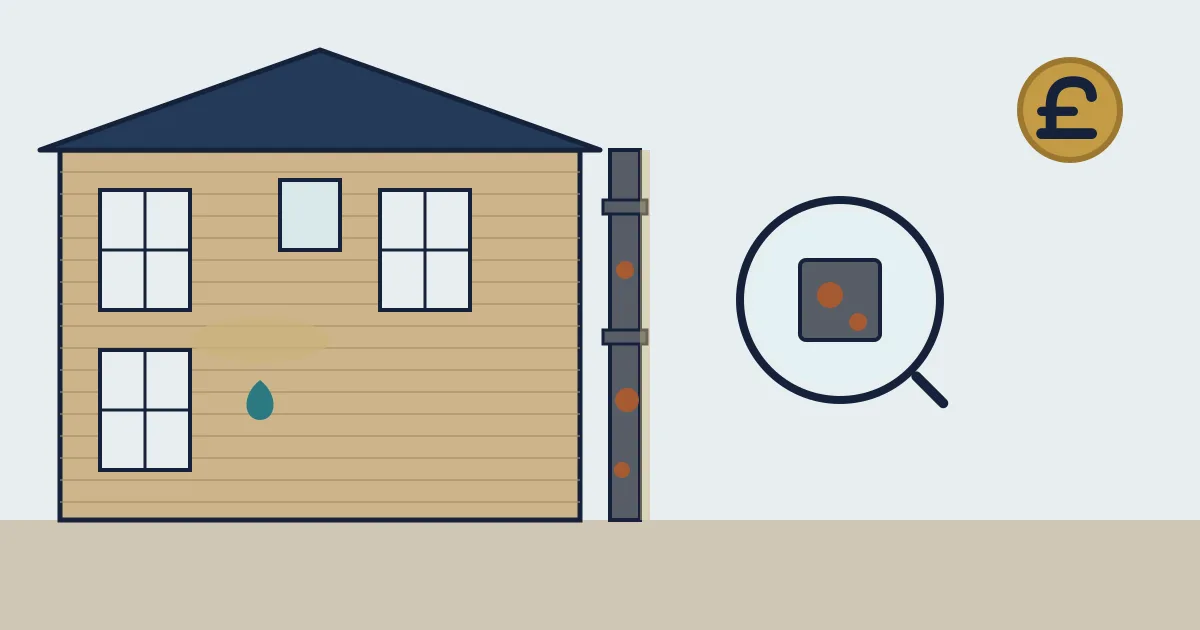
Many pre-war London houses have a cast-iron soil stack running down the outside wall or inside a boxed-in corner. Cast iron lasts a long time, but joints crack, the metal rusts through at the bottom, and a leaking joint behind a boxing can go unnoticed for months. Look for rust stains, flaking paint on the outside pipe, a damp patch on the wall beside the stack and a smell that is stronger when the toilet is flushed. Replacing a stack in plastic is a job for a plumber or drainage specialist, and in a flat it is the freeholder's concern as well.
Lead and old supply pipes
Homes built before the 1970s can still have lead supply pipes, though many have had them renewed. Lead pipes are usually dull grey, soft enough to mark with a coin, and bend rather than kink. If you are not sure, ask a plumber to check where the water enters the house. Old galvanised steel pipes cause trouble differently: they fur up inside, so water pressure drops over time. In both cases, replacing the pipework while the bathroom is out of action is far cheaper than doing it separately later.
Limescale
London's tap water is hard, which means scale builds on taps, shower heads, screens and heating elements. In most cases it is cosmetic and manageable, but heavy scale can block shower heads and shorten the life of mixers and electric showers. We cover this in more detail in a separate guide, but for the purpose of deciding what to do with a tired bathroom, scale on its own is rarely a reason for a full renovation.
Failed waterproofing and leaks to the room below
A shower enclosure that was tiled and grouted without a proper membrane relies on grout and sealant to keep water out, and both fail eventually. The usual signs are soft or discoloured plaster on the other side of the wall, a damp smell, tiles that sound hollow, and a stain on the ceiling below. In a flat, a leak that reaches a neighbour's ceiling can turn a repair into a dispute with a surprising speed.
Soft floors
Upstairs bathrooms in older houses often sit on timber floorboards that have had years of minor leaks. A floor that flexes near the bath or toilet, or a toilet that rocks on its base, may be rotten underneath. This is the problem most likely to turn a simple replacement into a bigger job, so it deserves a look before you set a budget.
Common problems in older London bathrooms and what they usually point to
| What you notice | Likely cause | Usual level of work |
|---|---|---|
| Rust or damp beside the outside pipe | Leaking cast-iron joint or stack | Specialist repair, then replacement or renovation |
| Falling shower pressure over the years | Furred galvanised or old supply pipework | Replacement or renovation |
| Black grout and peeling paint | Poor ventilation and old sealant | Refurbishment, plus a better fan |
| Ceiling stain below the bathroom | Leak from waste, shower or bath seal | Find the leak first, then repair or renovate |
| Spongy floor near the bath or toilet | Rotten boards or joists | Renovation |
| Scale on taps and screens | Hard water | Cleaning, or refurbishment with new fittings |
If you suspect a leak, do not cover it with new fittings. Have it traced first. A new suite over a rotten floor is a bill you will pay twice.
What to do next
For a bathroom that is tired but sound, a refurbishment is usually enough. Where the pipes or floor are in doubt, a full bathroom replacement or a complete renovation lets the fitter deal with them. The complete bathroom renovation cost guide shows the price ranges, and our guide on which bathroom job suits your London home helps you choose the right level.
How to check an older London bathroom for hidden problems
- Look at the outside pipe
Check any cast-iron stack for rust, flaking paint or damp on the wall beside it.
- Check the ceiling below
Look for stains, bubbling paint or a sagging patch under the bathroom.
- Press the floor
Walk around the bath and toilet and note any flex, softness or a rocking pan.
- Test the pressure
Run the shower and a basin tap together and see whether the flow drops sharply.
- Inspect the sealant and grout
Probe the corners of the bath and shower for soft, blackened or lifting sealant.
Frequently asked questions
Do older London homes still have lead pipes?
Some do, particularly houses built before the 1970s that have not had their supply renewed. A plumber can usually tell by looking at the pipe where it enters the house. If you find lead, it is sensible to replace it as part of the bathroom work.
Is a cast-iron soil stack a problem?
Not by itself. Cast iron can last a century or more, but joints crack and the metal rusts. Watch for damp, rust and smells around the stack and have a plumber look at it before you start a bathroom project.
How can I tell if my bathroom floor is rotten?
A floor that flexes or feels soft near the bath or toilet, a toilet that rocks, or staining on the ceiling below are all warning signs. A fitter or surveyor can confirm by lifting a board.
Should I renovate or refurbish an old bathroom?
It depends on what lies behind the surfaces. If the floor, walls and pipes are sound, a refurbishment is usually enough. If any of them are in doubt, a renovation lets the work be done properly in one go.
Ready to talk to a complete bathroom renovation specialist?
Get Free Quotes →