
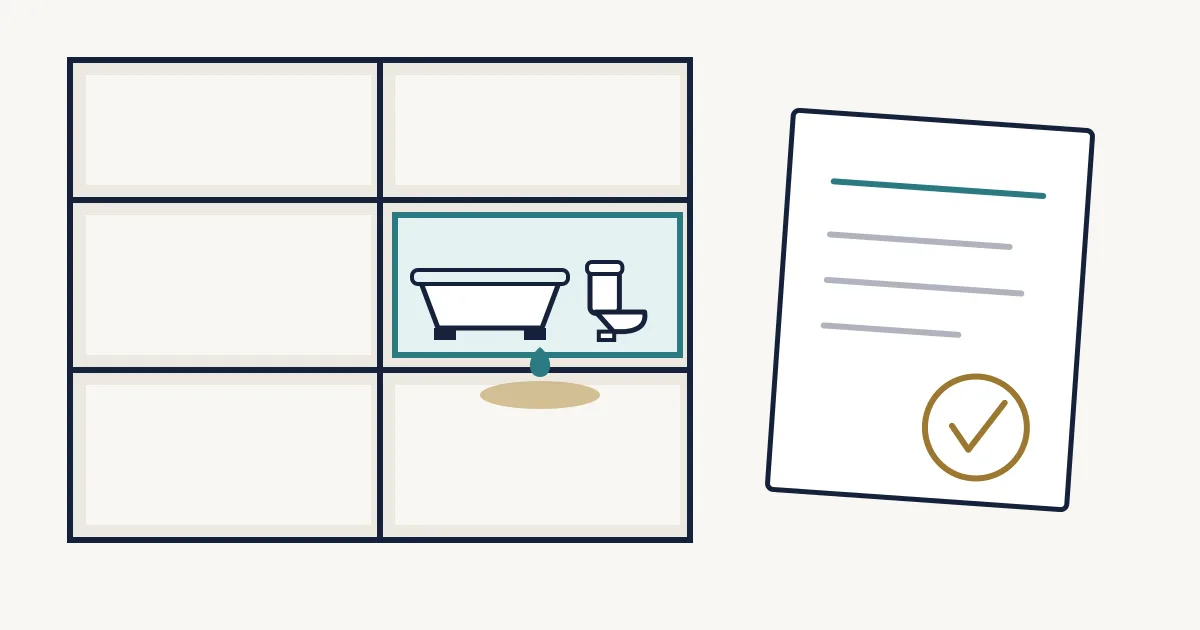
Owning a flat on a long lease does not mean you can do what you like inside it. Most leases restrict structural changes and anything that touches shared pipes, and many require the freeholder's written consent before bathroom work starts. Getting that permission first is cheaper and calmer than discovering the rule halfway through a job.
Start with the lease
Look for the clauses on alterations, repairs, nuisance and insurance. Common wording says tenants may not make structural alterations without consent, may not interfere with pipes, wires or the structure of the building, and must carry out permitted work properly. Some leases allow non-structural internal work without asking. Others require consent for any change to plumbing or flooring. The government's guide to leasehold property explains your rights and responsibilities, and your solicitor or managing agent can say how your own lease reads.
What is usually allowed and what usually needs consent
Typical position for bathroom work in a leasehold flat (check your own lease)
| Work | Usually needs consent? |
|---|---|
| Replacing taps, vanity, screen or towel rail like for like | Often no |
| Retiling or redecorating | Often no, though noise rules apply |
| Replacing the suite in the same positions | Sometimes, particularly if the floor is touched |
| Moving a toilet, bath or basin | Usually yes |
| Altering walls or the floor | Almost always yes |
| Connecting to the shared soil stack in a new place | Almost always yes |
Asking for a licence for alterations
If consent is needed, the freeholder or their managing agent normally issues a licence for alterations. They will usually want a description of the work, drawings if the layout changes, the contractor's insurance details and sometimes a structural engineer's report. Expect them to charge an administration fee and sometimes to recover their solicitor's costs. The process can take weeks, so start it before you commission the fitter or order the suite. We do not give fixed timelines or fees here, because they vary widely by building.
Protecting the flat below
Water is the main risk. A leak from a new shower or a poorly connected waste can reach the ceiling below within hours. A conscientious fitter will waterproof the floor and the shower area properly, test the waste before closing it up, and keep the stop-taps accessible. You are generally responsible for damage you cause, so check your contents and buildings insurance, and the contractor's liability cover, before the job starts. Telling the neighbour below about the dates is a courtesy that also helps if anything goes wrong.
Most blocks restrict working hours and noisy tasks, and some require a deposit for protecting communal areas. Ask the managing agent for the building's rules in writing and pass them to your fitter.
Where the bathroom job fits
A light update such as a full bathroom replacement in the same positions is the least likely to need consent. A layout redesign or a complete renovation that opens the floor almost certainly will. Our guide to bathroom jobs by London property type explains which job suits which kind of flat.
How to get consent for a bathroom renovation in a leasehold flat
- Read your lease
Find the clauses on alterations, pipes, flooring, nuisance and insurance.
- Define the work
Write down what is changing, with a drawing if fittings move.
- Contact the managing agent
Ask for the building's alterations procedure, working-hour rules and fees.
- Apply for a licence
Send the description, drawings and the contractor's insurance details, and wait for the written licence before work starts.
- Tell the neighbours
Let the flat below and next door know the dates, and agree who to ring if there is a leak.
Frequently asked questions
Do I need the freeholder's permission to renovate my bathroom?
It depends on your lease and the work. Like-for-like swaps often need none, but moving fittings, altering walls or floors, or connecting to the shared stack in a new place usually does.
What is a licence for alterations?
It is the freeholder's written consent to specified works, normally issued with conditions. It protects both of you by recording what was agreed.
Who pays if my renovation causes a leak in the flat below?
Generally the person responsible for the damage, which can be you, your contractor or both. Check your insurance and your fitter's liability cover before starting.
Can the managing agent charge for processing my request?
Many do charge administration or legal fees. Ask for these in writing before you apply.
Ready to talk to a complete bathroom renovation specialist?
Get Free Quotes →